Teachers’ Training
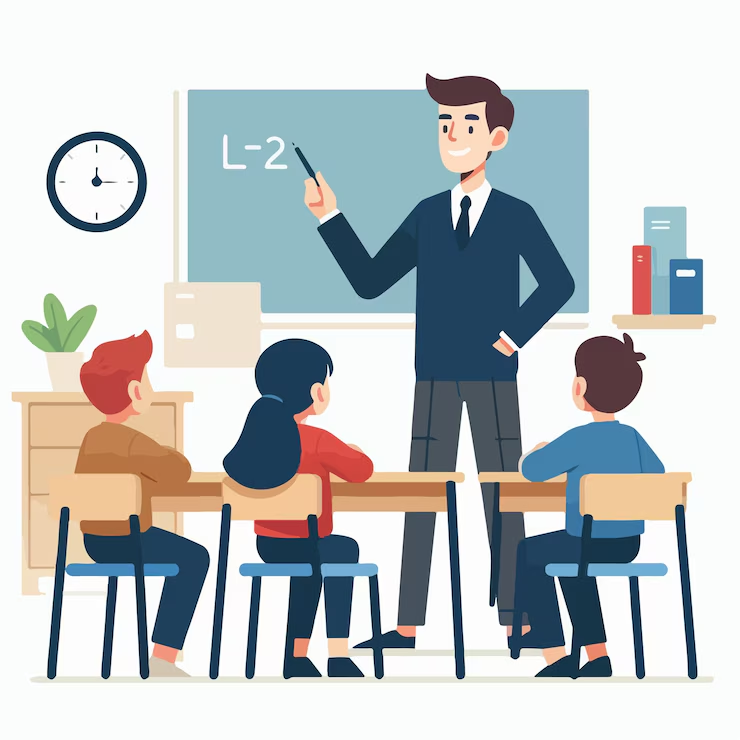
The Need for Teachers’ Training
In today’s dynamic and evolving educational landscape, teachers are not just facilitators of knowledge but architects of future-ready learners. With changing curricula, emerging technologies, diverse classrooms, and the growing importance of 21st-century skills, the role of a teacher demands continuous growth and adaptation.
Teachers’ training is no longer an option—it is a necessity.
Effective professional development equips educators with modern pedagogical strategies, classroom management skills, and inclusive practices. It empowers them to engage students meaningfully, embrace innovation, and uphold academic excellence.
Investing in regular training ensures that teachers remain confident, competent, and capable of shaping the minds and values of tomorrow’s leaders. Whether it’s mastering digital tools, understanding new assessment frameworks, or enhancing emotional intelligence, teacher training is the cornerstone of quality education.
It equips educators with updated knowledge, innovative teaching strategies, and the skills needed to create inclusive, engaging, and student-centered learning environments. From integrating digital tools to mastering differentiated instruction and assessments, professional development ensures that teachers stay relevant, reflective, and responsive.
A well-trained teacher inspires curiosity, fosters creativity, and nurtures potential—ensuring that every child receives the best opportunity to succeed.At the heart of every successful education system is a strong, empowered teacher. Investing in their growth is not just beneficial—it's essential.
Let us strengthen our educators—because when teachers learn, students thrive.

- School Education Reforms
- Assessments and Examinations
- Teacher Education and Training
- Higher Education Reforms
- Vocational Education
- Technology in Education
- Governance and Policy
- Inclusivity and Equity
- Clear Rules and Expectations
- Positive Teacher-Student Relationships
- Structured Routines and Procedures
- Engaging Instructional Strategies
- Effective Communication
- Positive Reinforcement
- Consistent Consequences
- Classroom Environment
- Time Management
- Reflective Practice
- Personalized Learning
- Intelligent Tutoring Systems
- Automated Assessment and Feedback
- Data-Driven Insights
- Classroom Management Support
- Language and Accessibility Support
- Creative Teaching Tools
- Virtual Assistants and Chatbots
- Professional Development for Teachers
- Ethical and Responsible Use
- Understanding the Concept of a Happy Classroom
- Role of the Teacher as a Facilitator of Joyful Learning
- Creating a Safe and Inclusive Environment
- Promoting Emotional Well-being
- Building Strong Teacher-Student Relationships
- Joyful and Engaging Pedagogy
- Encouraging Student Voice and Choice
- Recognition and Positive Reinforcement
- Creating a Cheerful Physical Environment
- Reflective Teaching Practice
- Understanding the Difference
- Alignment with Curriculum Goals
- Characteristics of Effective Learning Objectives
- Understanding Learning Outcomes (as per CBSE)
- Importance of Learning Outcomes
- Linking Teaching to Outcomes
- Assessment Based on Outcomes
- Monitoring and Feedback
- Role of Teachers
- Integration with NEP 2020
- Understanding Gender Sensitivity
- Creating an Inclusive Learning Environment
- Challenging Gender Stereotypes
- Addressing Unconscious Bias
- Gender-Sensitive Teaching Practices
- Promoting Equal Participation
- Handling Gender-Based Discrimination and Bullying
- Gender Sensitivity in Assessment
- Building Empathy and Respect for Diversity
- Role of Teachers as Gender Role Models
- Understanding Inclusive Education
- Principles of Inclusive Education
- Identifying and Understanding Learning Differences
- Differentiated Instruction
- Classroom Strategies for Inclusion
- Support for Students with Disabilities
- Promoting Social Inclusion
- Assessment and Feedback
- Continuous Professional Development
- Partnership with Parents and Communities
- Understanding Experiential Learning
- Key Principles of Experiential Learning
- Benefits of Experiential Learning
- Types of Experiential Learning
- Creating an Experiential Learning Environment
- The Role of the Teacher in Experiential Learning
- Assessment in Experiential Learning
- Integrating Experiential Learning with Curriculum
- Encouraging Student Reflection
- Overcoming Challenges in Experiential Learning
- Understanding Teacher Stress
- The Impact of Teacher Stress
- Recognizing Stress Symptoms
- Techniques for Managing Teacher Stress
- Building a Supportive Classroom Environment
- Setting Boundaries
- Professional Development and Peer Support
- Seeking Professional Help
- Balancing Work and Personal Life
- Role of School Leadership in Stress Management
- Importance in 21st Century Education
- Understanding Critical Thinking
- Understanding Creative Thinking
- Strategies to Promote Critical & Creative Thinking in the Classroom
- Role of the Teacher
- Assessment of Thinking Skills
- Classroom Environment for Thinking
- Integration with Subjects
- Challenges and Overcoming Them
- Alignment with CBSE and NEP 2020 Goals
- Understanding the NCF
- The Four Stages of the New School Structure (5+3+3+4)
- Shift in Pedagogical Approach
- Competency-Based Education (CBE)
- Integrating Indian Knowledge Systems (IKS)
- Foundational Literacy and Numeracy (FLN)
- Holistic Assessment Practices
- Integration of Art, Sports, and Life Skills
- Inclusive and Equitable Education
- Role of Teachers in NCF Implementation
Trusted By Most Renowned Companies In India